Peanuts for birds: which ones, how and how much
Peanuts for birds are one of the most popular things you can put out in the garden – high-energy, versatile and loved by many species. Here's what you need to know to do it right.
Briefly summarized
- Choose unsalted, unroasted peanuts intended for birds
- Preferably serve in a peanut feeder with mesh (safer and less mess)
- Give small amounts frequently and keep the feeding area clean.
- Avoid salt, spices, sugar, mold and rancid odors
- During nesting season: use fine mesh or finely chopped peanuts

What peanuts for birds can you use?
When we say “peanuts for birds,” we mean peanuts that are:
- Unsalted
- Unroasted (raw)
- Whole or divided (depending on feeder and bird species)
- Fresh – no mold, no moisture, no strange odors
Choose peanuts intended for birds
Always choose peanuts labeled for bird or human consumption. Cheap peanuts of unknown origin may contain aflatoxin – a toxin produced by molds that is dangerous to birds even in small amounts. Quality products intended for bird food are tested and safe.

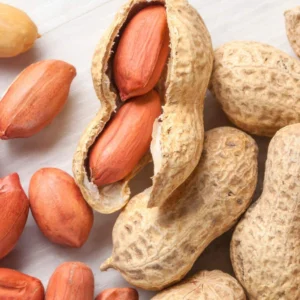
Peanuts with or without shells?
Without shell:
- Best suited for tits, greenfinch and small birds
- Easy to use in peanut feeders with mesh
- The birds peck off pieces without having to break the shell
With shell:
- Popular with squirrels, magpies and larger birds
- Can be laid out on a flat feeder or directly on a table
- Gives birds and squirrels extra “activity” when they crack the shell
Whole vs. split peanuts
- Whole peanuts Fits best in a classic peanut feeder with mesh. The birds will peck off small pieces themselves.
- Split/crushed peanuts can be fine for smaller birds, but causes more mess on the ground and can get wet more easily. It is advisable to use a feeder that protects against rain and snow.
How to feed peanuts to birds – safely and smartly
The best way to serve peanuts to birds is in a peanut feederYes:
- keeps the nuts drier
- the birds get hold of small pieces
- you reduce the risk of food being left out and going bad
Feeder location
For best effect and fewer problems:
- Heng materen 1.5-2 meters above the ground
- Place it near bushes or trees (escape option), but not so close that cats can sneak in.
- Avoid places where food ends up directly in snow slush or on damp ground.

Hygiene: what actually produces more birds
Clean feeding areas are visited more often. Simple steps:
- Remove old spills from under the feeder regularly
- Wash the feeder regularly (mild soapy water, rinse well, let dry completely)
- Replace nuts that have become wet or have a suspicious odor.
Want to avoid rats and mice? Hang the feeder so that food does not fall to the ground, and clean up spills daily. Rats are attracted to food on the ground, not the feeder itself.
Important: peanuts for birds during nesting season
During the breeding season (April–July) you should be extra careful with whole peanutsAdult birds can give whole nuts to chicks who are unable to swallow them – with the resulting choking hazard.
Safer alternatives during the breeding season:
- Peanut feeder with fine mesh (the birds peck off tiny pieces)
- Chopped or crushed peanuts
- Seed mixtures and insect-based feed
How much peanuts should you give to birds?
There is no single correct number, because it depends on:
- How many birds do you have in your garden?
- temperature and snow cover
- whether you offer other food (sunflower, seed mixture, tallow/fat)
A simple rule of thumb
- Start with a small feeder or 1-2 handfuls in the feeder
- Refill when empty, rather than overfilling
- The goal is for the nuts to be eaten within 1-3 days – not lying down for weeks
When is the best time of year to feed peanuts to birds?
Peanuts work all year round, but are especially useful:
- Winter: high energy when it's cold and natural food is hard to find
- Early spring (before breeding season): extra replenishment when the birds are active and the energy requirement is high
- Autumn: when birds build up energy stores before winter
In the summer You can combine it with a more varied diet (seed mixtures, insect-based feed), and take extra care with hygiene during hot periods - food can go bad faster.

Which birds like peanuts?
Peanuts for birds attract many common garden birds:
- Great tit and blue tit – regular guests at the peanut feeder
- Black tit and great tit – a little more cloudy, but welcome
- Greenfinch – likes to eat split peanuts
- Flag woodpecker – can also come visit
- Cut – prefer peanuts in shell
Do you have squirrel in the area, they can try the feeder. In that case, it may be worth using a feeder that is more difficult to empty quickly – or put out peanuts in the shell in a separate place.
Common mistakes – and how to avoid them
1. Salted nuts
Drop it completely. Salt is harmful to birds.
2. Nuts that have become damp
Throw them away immediately. Moisture causes mold growth and aflatoxin.
3. Too much at once
Increases the risk of mold and spills, and attracts rodents.
4. Feeder in the wrong place
Causes more mess, more visits from rats/mice and easier access for cats.
5. Whole peanuts during nesting season
See the section on nesting time above – use fine mesh netting or finely chopped nuts.
Recommended setup for a functioning feeding station
If you want the most bird life possible, set up a simple combination:
- Peanut feeder – for tit, black tit, great tit and great spotted woodpecker
- Sunflower seeds in seed feeder – attracts many species
- Tallow/fat – extra energy in the cold, especially popular with tits and woodpeckers
Why buy peanuts for birds at utefugl.no?
- ✓ Tested and safe for birds – no aflatoxin risk
- ✓ Big bags that pay off – cheaper per kilo than in the store
- ✓ Fast delivery and shipping-friendly packaging – arrive safely
- ✓ Products we use ourselves at our own feeding grounds
In summary
Choose unsalted peanuts intended for birds, use a good peanut feeder and fill up little by little. Remember to switch to fine-mesh netting or split nuts during the nesting season. This will give you a safe feeding place that attracts more species – and gives you more bird life in your garden all year round.
Ready to feed your garden birds the right way with peanuts?
You can find everything you need for the feeding area at utefugl.no – from peanuts to feeders and suet.
Some of our products
-

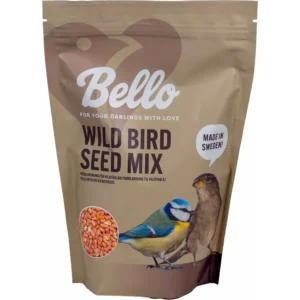
Bello Wild Bird Peanuts without Shell
kr 119,00 – kr 349,00Price range: kr 119,00 through kr 349,00 Incl. VAT Select options This product has multiple variants. The options may be chosen on the product page -
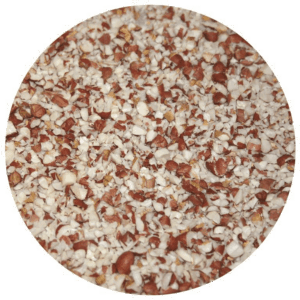
Peanuts chopped
kr 159,00 – kr 2.399,00Price range: kr 159,00 through kr 2.399,00 Incl. VAT Select options This product has multiple variants. The options may be chosen on the product page -
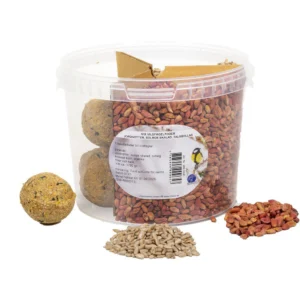
Outdoor bird mix in bucket
kr 269,00 Incl. VAT Add to basket -
Peanuts in shell 10 kg
kr 1.199,00 Incl. VAT Add to basket
FAQ: Peanuts for birds (which ones, how and how much)
1) Can birds eat peanuts?
Yes. Peanuts are high in energy and very popular with many garden birds, especially in winter and during periods of high activity.
2) Which peanuts are safe to feed to birds?
Choose peanuts that are:
Unsalted
Unroasted (raw)
Fresh (dry, without mold, without strange/rancid odors)
Intended for bird or human consumption
3) Why should I choose peanuts labeled for birds?
Cheap nuts of unknown origin may contain aflatoxin (a toxin from mold). Products intended for bird food are normally tested and safer.
4) Can I give salted or seasoned peanuts?
No. Avoid completely:
Salt
Spice
Sugar
5) Whole or split peanuts – which is best?
Whole peanuts: Best in a classic peanut feeder with mesh. The birds will peck off small pieces themselves.
Split/crushed peanuts: Can be suitable for several species, but often causes more spillage, gets damp more easily and should be served more sheltered.
6) Peanuts with or without shells?
Without shell: Suitable for tits, greenfinch and small birds. Easy to use in peanut feeders.
With shell: Popular with squirrels, magpies and larger birds. Can be placed on a flat feeder/table or in its own place.
7) What is the safest way to serve peanuts?
In peanut feeder is often best because:
Nuts stay drier
The birds get hold of small pieces
Less risk of food being left out and going bad
8) How do I hang a peanut feeder correctly?
Recommendations:
Heng materen ca. 1,5–2 meter above ground
Close to bushes/trees (escape option), but not so close that cats can sneak in
Avoid locations where spills end up in snow slush or on damp ground.
9) How do I avoid rats and mice at the feeding area?
Hang the feeder so that as little food as possible falls on the ground
Clean up spills frequently (preferably daily)
Avoid overfilling
10) How often should I wash the bird feeder?
Regular washing provides better hygiene and often more bird visits:
Wash with mild soapy water
Rinse well.
Allow the feeder to dry completely before refilling.
11) What do I do if the peanuts get wet?
Throw them away immediately. Moisture increases the risk of mold and aflatoxin.
12) How do I tell if peanuts are bad?
Signs that you should throw them away:
Mold
Moisture
Suspicious/strange/rancid smell
13) Can I give peanuts during breeding season?
Yes, but be extra careful in April–JulyWhole peanuts can pose a choking hazard if adult birds bring them to their chicks.
14) What is safest during the breeding season (April–July)?
Choose instead:
Peanut feeder with fine mesh netting (the birds peck off tiny pieces)
Chopped/crushed peanuts
Seed mixtures and/or insect-based feed
15) How much peanuts should I give?
It depends on the number of birds, temperature/snow and other food you offer. A simple rule of thumb:
Start with small feeder or 1–2 never
Refill when empty, rather than overfilling
The goal is for the nuts to be eaten within 1–3 days
16) When is the best time of year to buy peanuts?
Peanuts work all year round, but are especially useful:
Winter: high energy when it's cold
Early spring (before breeding season): extra refill when energy needs are high
Autumn: when birds build up energy stores
17) What should I combine peanuts with for a “feeder that works”?
A simple setup that provides lots of bird life:
Peanut feeder
Sunflower seeds in seed feeder
Sebum/fat (especially in the cold)
18) Which birds like peanuts?
Common species that often occur:
Great tit and blue tit
Black tit and great tit
Greenfinch (likes to eat split peanuts)
Flag woodpecker
Cutting (often more interested in peanuts in shell)
19) What are the most common mistakes people make?
Provides salted nuts
Using nuts that have become damp
Posting too much at once
Positioning the feeder so that there is a lot of spillage on the ground
Provides whole peanuts during nesting season
20) What is the “brief summary” advice?
Choose unsalted, unroasted peanuts intended for birds
Preferably serve in a peanut feeder with mesh.
Give small amounts frequently and keep the feeding area clean.
Avoid salt, spices, sugar, mold and rancid odors
During the breeding season: fine mesh or finely chopped peanuts