The house sparrow is the bird of the year 2026 – and in Trøndelag it needs you extra
The small, modest house sparrow has been named BirdLife Norway's bird of the year for 2026. The species we have had as our closest feathered neighbor for centuries is now red-listed and in decline – and in Trøndelag the situation is more serious than nationwide. Here we tell you who the house sparrow is, what threatens it, and what you can do already this week.
⏱ Brief summary – 30 seconds
- Set up a bird box with 40 mm approach hole – that's all the house sparrow needs
- Feed it steadily throughout the winter – especially during cold periods
- Let a corner of the garden grow a little longer – bushes and hiding places are as important as food
Who is the house sparrow?
House sparrow (House sparrow) is one of Norway's best-known birds – but perhaps not the most appreciated. It has accompanied humans since we began growing grain and building houses, and today is completely dependent on human-made environments. It is a resident bird and very stationary; a house sparrow that has made its home in your garden is likely to be there all year round.
Male and female – how to tell them apart
The two sexes look quite different, making the house sparrow one of the easier species to sex at the feeding site.
The male is the most conspicuous. He has a distinctive lead-grey crown, a characteristic black throat patch of varying size, and a liver-brown band extending from the eye and back down the neck. The back is reddish-brown with dark stripes.
The female is much more discreet, which is common among birds where the female sits on the nest and needs good camouflage. She lacks the black throat patch and the gray head crest, and appears in a more uniform gray-brown pattern. A light eyebrow line is a good characteristic when you are unsure.
The sound is the same for both sexes: a chirping and uniform “chirp” that most people recognize from childhood memories of courtyards and backyards.

Confusion with wren
The house sparrow is sometimes confused with the willow finch (Passer montanus). The willow finch is somewhat smaller and more slender, and both male and female have a chestnut-brown head and a distinct black cheek patch on a white cheek patch – characteristics the house sparrow lacks. Unsure? BirdLife Norway has a good species guide with pictures.

The life and breeding biology of the house sparrow
The house sparrow thrives in open, cultivated landscapes with shrubs and is abundant near farms and in urban areas. More than other birds, it is prone to roosting in man-made microclimates – barns, power stations and bakeries are documented roosting sites.
Egg-laying begins in April–May. The house sparrow can lay two to three broods per season, with four to five eggs per brood. Both parents take part in the rearing. The diet consists of seeds and insects, with insects being critically important for the newborn chicks in the first weeks of life – making insect-poor environments particularly detrimental to nesting success.
Why is the house sparrow in decline?
The house sparrow is classified as near threatened on The Norwegian Red List of Species (2021)Three factors stand out:
Modern building styles provide fewer natural nesting opportunities. New houses are tight and well-maintained, without cracks and cavities. Rehabilitation of older buildings seals the last remnants of suitable nesting sites in cities and towns.
Intensive agriculture and tidy gardens reduce the availability of insects. Since the chicks are completely dependent on protein-rich insect food in the first weeks of life, an insect-poor landscape means weaker broods year after year.
Dense and well-maintained parks and gardens also remove the low bushes and uncut vegetation cover that house sparrows use as hiding places and sleeping places throughout the winter.
The house sparrow in Trøndelag – the situation is serious
In Trøndelag, including Trondheim, the decline is more marked than nationwide. Indications from BirdLife's monitoring data and the Garden Bird Count points to a decline of 30–40% over the last 20 years in the region – well above the national average.
The pace of urbanization in Trondheim and the surrounding area has been high, and construction activity has systematically filled in the cavities in older buildings that the house sparrow depends on. The winter climate in Trondheim also puts extra pressure: long cold periods with snow cover mean that natural food disappears for days. A stable feeding site is literally vital. The agricultural areas around Trondheim are also producing fewer and fewer insects as farming methods intensify.
Would you like to contribute with local observations? NOF Trøndelag coordinates regional counts and the Garden Bird Count is open to everyone – your count counts.
3 things you can do this week
1. Set up a bird box Lack of nesting sites is probably the single most important reason for the decline. The house sparrow doesn't need more than a simple box – but the hole has to be right: approximately 40 mm in diameter. This is the most important check point when choosing a box. Since house sparrows are social and like to nest in colonies, it is extra effective to hang two or three boxes close to each other. Remember to empty the box after the nesting season – it carries so much material that the entrance can be blocked between years.
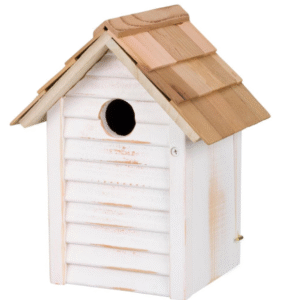
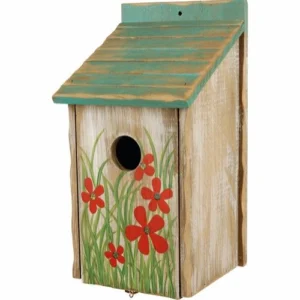
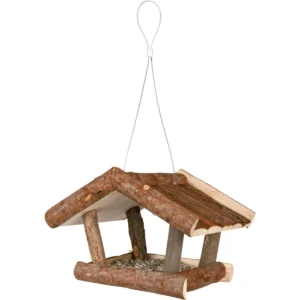
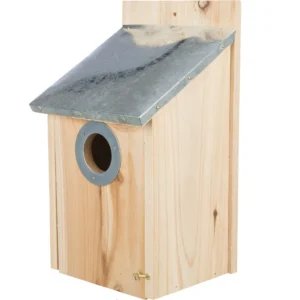
In Trøndelag: mount the box facing south, sheltered from north winds. Solar heating in the box is important, and north winds are the big enemy in winter.
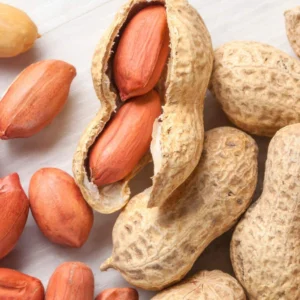
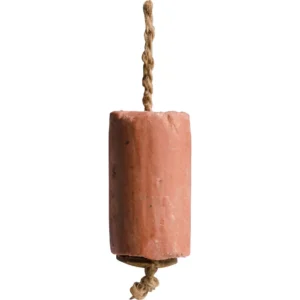
2. Feed it steadily throughout the winter The house sparrow is a faithful visitor to the feeder throughout the winter. It likes to eat millet, sunflower seeds and mixed seed mixtures. Stability is key – the birds quickly learn to rely on a feeder that is always filled. During periods of extreme cold, fat balls with peanuts are an effective supplement. The fat provides quick and energy-rich nutrition when the body is working hard to keep its temperature up.
3. Let a corner grow a little longer A corner with dense shrubbery, some uncut grass or a small pile of twigs and leaves gives the house sparrow hiding places and natural access to insects and seeds. It doesn't have to be large. Even a simple hedge of shrubs is valuable – and costs you nothing.
Start here – this is what you need
The house sparrow is not demanding. These three product categories cover most of it:
- Bird boxes with 40 mm holes – the only thing the cashier needs to have right
- Seed mixtures and millet – stable winter feeding is the most important thing you do
- Tallow balls and tit balls – extra energy on the coldest days
A small bird with great significance
The house sparrow is not rare, not exotic and not colorful. But it is red-listed, it is struggling – and in Trøndelag it is struggling more than in most places. The good thing is that it doesn't take much to help it. A box with the right hole, a full feeder and some untouched shrub vegetation can make a real difference to the sparrows in your neighborhood.
Hang up a box this week. The house sparrow finds it quickly.
Some of our products
-

Peanuts in shell 10 kg
kr 1.199,00 Incl. VAT Add to basket -
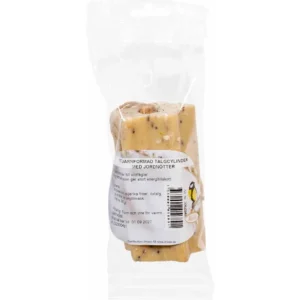
Wild Bird Tallow Cylinder with Berries 350 grams
kr 69,00 Incl. VAT Add to basket -
Bello dried mealworms
kr 189,00 Incl. VATAdd to basket★ ★ ★ ★ ★(2) -
Star-shaped Tallow Cylinder with Nuts and Melåmer350g
kr 49,00 Incl. VAT Read more -
Trixie Nesting box for starlings
kr 329,00 Incl. VAT Add to basket -
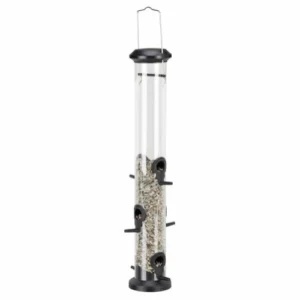
Outdoor Bird Feeder Column 1000ml 48cm Black
kr 199,00 Incl. VATAdd to basket★ ★ ★ ★ ★(1) -
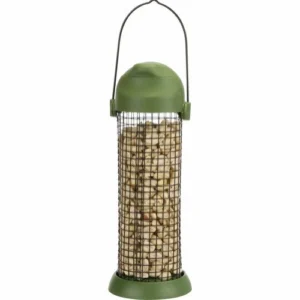
Outdoor bird feeder for peanuts in metal/plastic 500ml 22cm green
kr 79,00 Incl. VAT Add to basket -
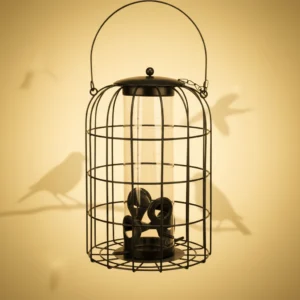
Trixie Food dispenser with protective grid
kr 299,00 Incl. VAT Add to basket
FAQ – Frequently asked questions about the house sparrow – Bird of the Year 2026
Can the house sparrow nest in a bird box?
Yes, house sparrows love bird boxes with 40 mm entrance holes – just the right size. Hang 2-3 boxes close together for colony formation. Empty the boxes after the breeding season as they will carry a lot of material with them which can clog the holes.
How do I distinguish a house sparrow from a chaffinch?
Male house sparrow: grey head, black throat patch. Chaffinch: chestnut head, black cheek patch on white background. Female is striped grey-brown without prominent spots – listen for the “chirp” sound which is similar in both species.
What does the house sparrow eat in winter in Trøndelag?
Millet, sunflower seeds, mixed seed mixes and peanut butter balls. Stable feeding through snow periods is vital when natural food is unavailable during prolonged snow cover.
When does the house sparrow lay eggs?
First brood April–May, up to 3 broods per season with 4-5 eggs per brood. The young are completely dependent on insects for the first 2 weeks of life, so insect-poor environments dramatically reduce nesting success.
Why has the house sparrow disappeared from many Trøndelag gardens?
30-40% decline in the last 20 years due to urbanization that seals nesting cavities in old houses, intensive agriculture that produces fewer insects, and extreme winters with prolonged snow cover. This is partially compensated by feeding grounds.
Is the house sparrow endangered in Norway?
Classified as “near threatened” on the Norwegian Wildlife Data Bank’s Red List 2021 with a 30-50% population decline in the last 12 years. The Trøndelag situation is worse than the national average due to rapid urbanization and colder winters.
How do I install a birdhouse for the house sparrow?
2-4 meters above ground, south-facing, sheltered from northerly winds (critical in Trøndelag), near bushes. Make sure the box gets warm from the sun during the day. Throw out old nesting material in autumn/spring.
When is the Garden Bird Count 2026? How to participate?
24-25 January. Counting time: 1 hour on Saturday or Sunday. Log house sparrows via the BirdLife app or website. By 2025, only 35% of gardens had visitors – your observations contribute to national monitoring.
Why is the house sparrow Bird of the Year 2026?
BirdLife Norway names common species in crisis. The house sparrow symbolizes how even “natural” birds are quietly disappearing due to modern landscape changes – the perfect call for gardeners to shop local.
Report house sparrow sightings?
Use artsobservasjoner.no – especially breeding pairs with food for their young. NOF Trøndelag uses the data for regional measures. The garden bird census provides supplementary winter data.
Migratory bird or resident bird?
The house sparrow is a resident bird in Norway. Some young migrate shorter distances, but established pairs remain in the territory all year round – which is why stable winter feeding is extra important.
How long does it take for the house sparrow to find the bird box?
1-3 weeks after hanging in March/April. Set up boxes now so the birds become familiar with the location throughout the winter. Colonies often start with 2-3 boxes close together.